 Samuel Navarro Serpa
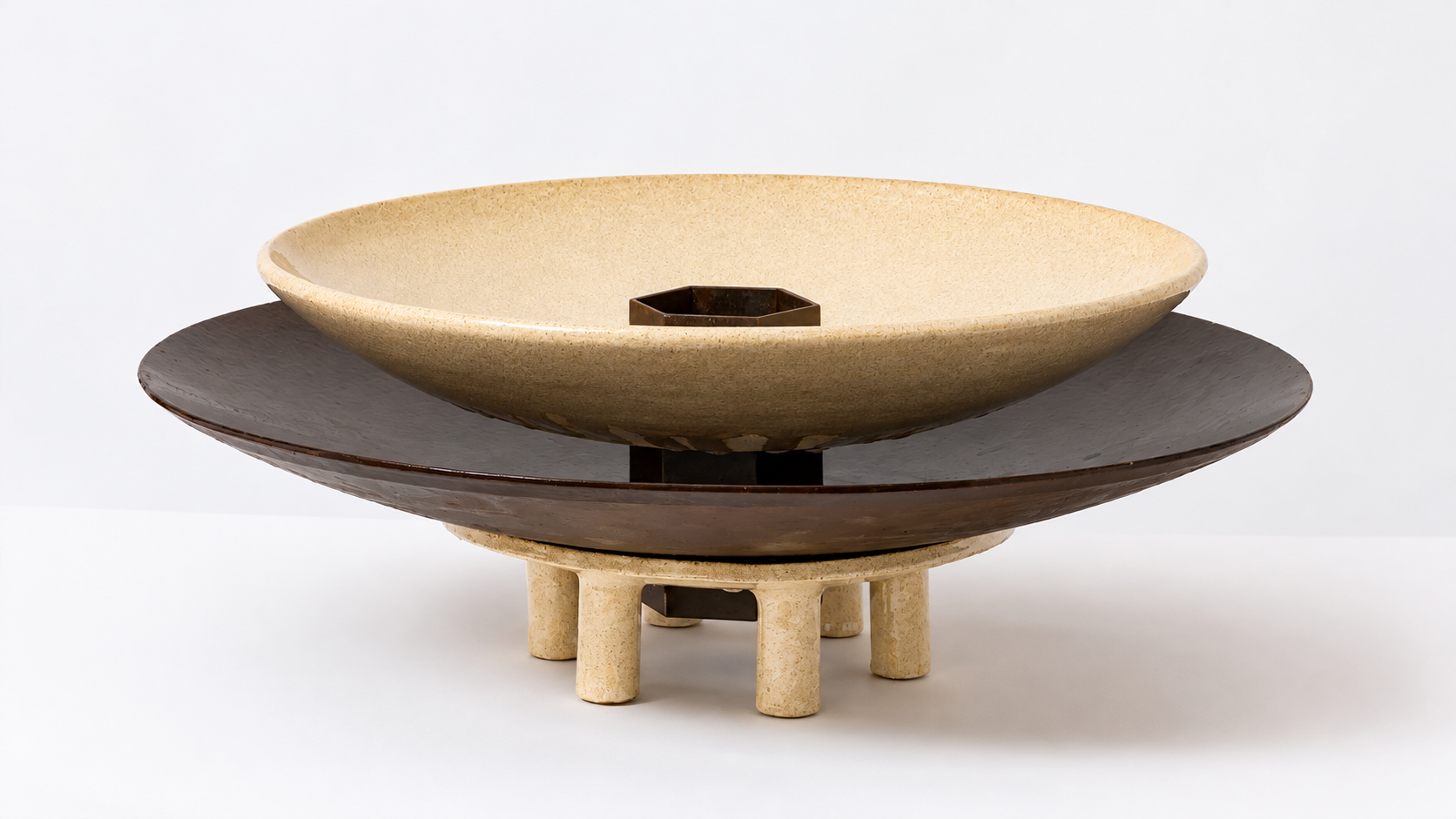
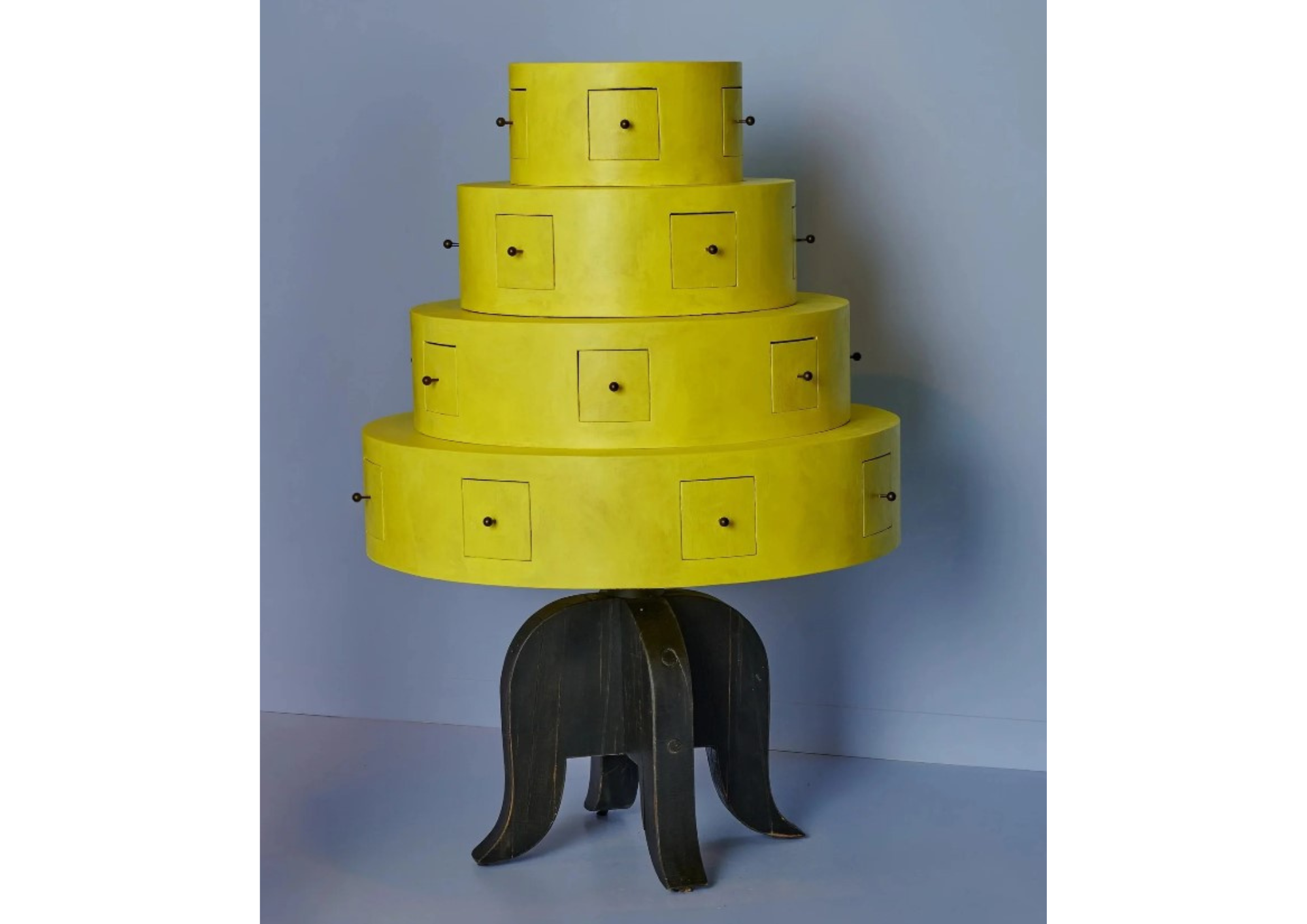
Teresa Segurado Pavão (1957–), «For birds only», 2026. Photo: Artist’s collection.
In Lisbon, from Nov. 21 to March 15, 2027, the artist’s ceramics and textiles converse with the collector’s holdings, from the galleries to the gardens
By Samuel Navarro Serpa
LISBON — Teresa Pavão takes over the galleries and gardens of the Calouste Gulbenkian Museum starting Nov. 21 with “A Coleção Imaginária: Cerâmicas e Têxteis de Teresa Segurado Pavão” (“The Imaginary Collection: Ceramics and Textiles by Teresa Segurado Pavão”). On view through March 15, 2027, the show grows out of the artist’s fascination with the collection assembled by Calouste Sarkis Gulbenkian and proposes an intimate encounter between two bodies of work.
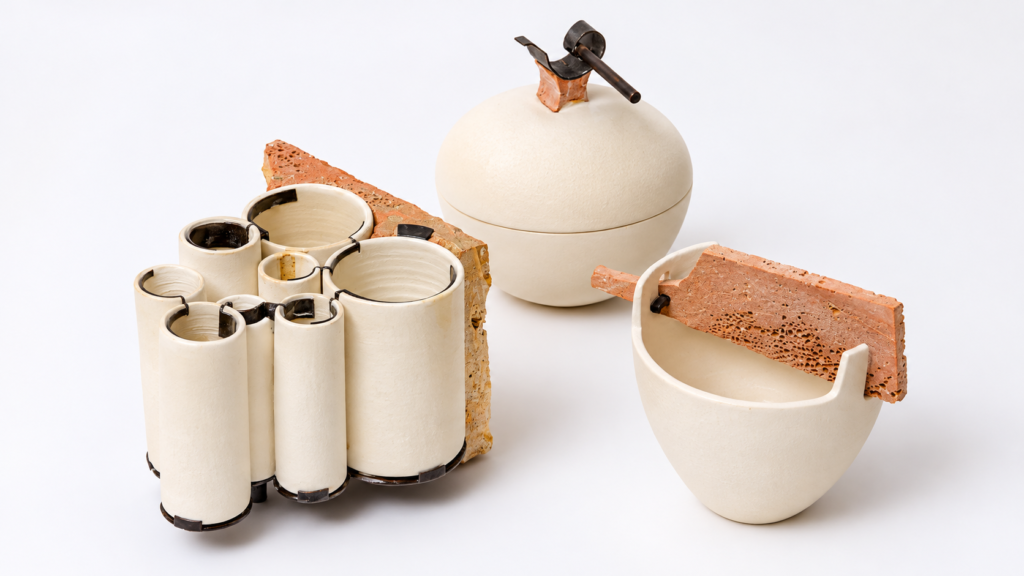
Teresa Segurado Pavão (1957–), «Família Rosa», 2020, 2023, 2026.Photo: Artist’s collection.
Spread throughout the museum, the exhibition brings together creations made especially for the project, pieces from the artist’s personal collection and works from other holdings. Both interior gardens join the conversation. Running through it all is Teresa Pavão’s curiosity about materials, manufacturing processes, contexts and the many lives of objects, in a journey across eras and geographies.
Teresa Pavão and Calouste Gulbenkian: an encounter between collections
Far from juxtaposition or mimicry, the exhibition builds, from the Gulbenkian holdings, a collection that exists only in this meeting. No piece illustrates another. Imaginary by nature, the collection is made up of approximations, detours, memories and affections. Some connections are almost immediate, others unexpected, and the museum’s works gain new resonance in Teresa Pavão’s creations.
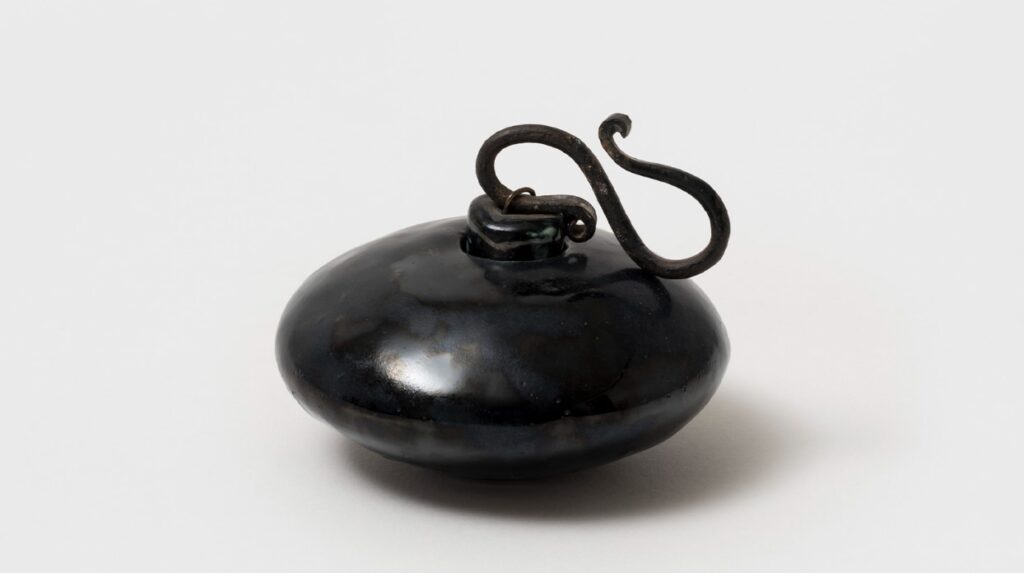
Teresa Segurado Pavão (1957–), «Frasco de tinta», 2000.Photo: Artist’s collection.
According to the museum, the show brings forth an “imaginary collection, woven from material, formal and conceptual affinities.” Rather than repeat what the display cases already show, the proposal lets each piece find an echo, counterpoint or surprise in the work of Teresa Pavão. Holdings from the museum offer the starting point; the artist, the detour.
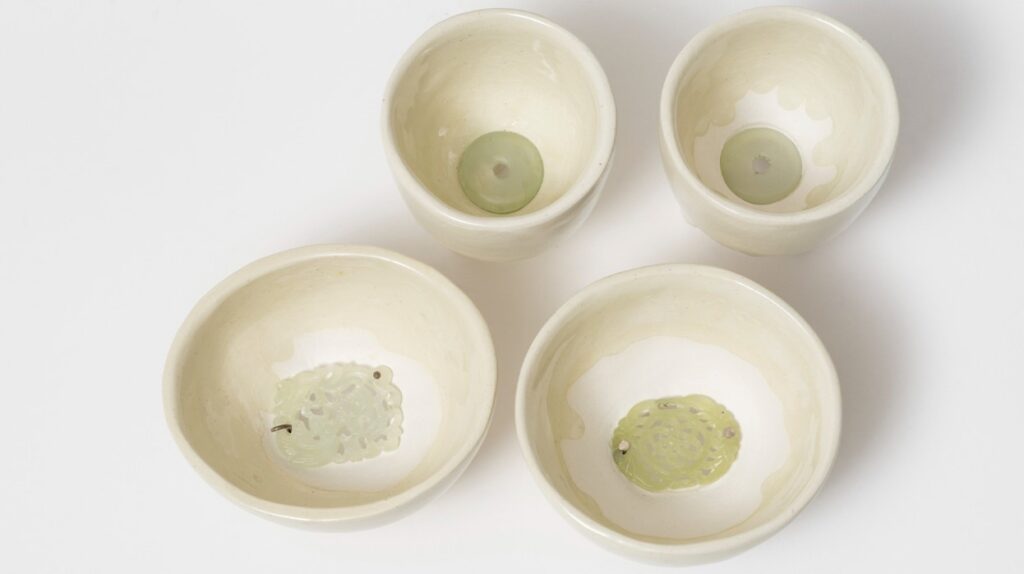
Teresa Segurado Pavão (1957–), «Jades», 2021.Photo: Artist’s collection.
Mostly ceramic, the group favors formal refinement, where restraint, simplicity and purity of line take on a particular eloquence. Tapestries and references to textile art evoke another side of Teresa Pavão’s practice. Roots of the choice lie in the holdings: ceramics and textiles are also central areas of Calouste Gulbenkian’s collection, making each material a point of contact between the collector and the artist.
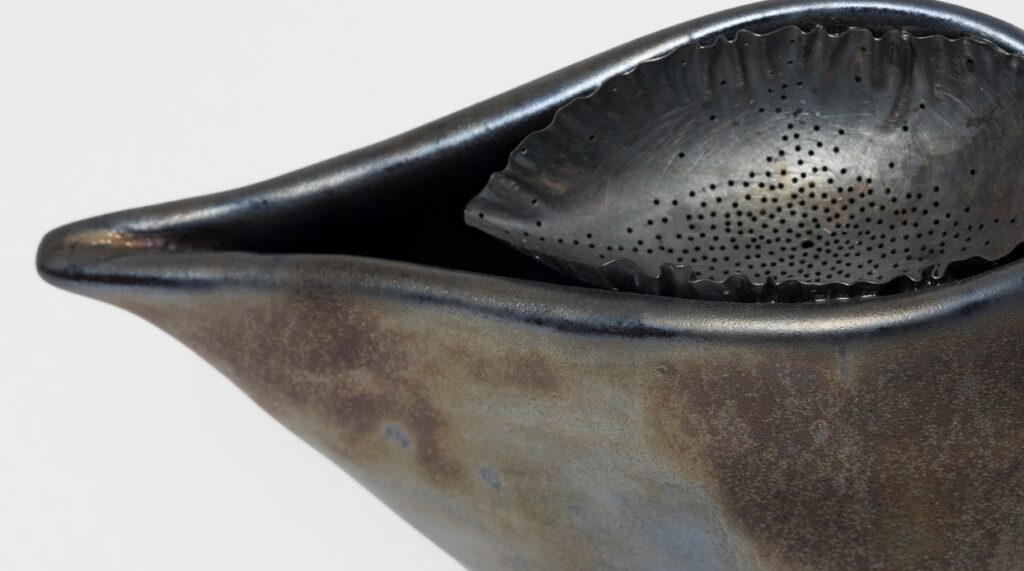
Teresa Segurado Pavão (1957–), «Tiipotto», 2025.Photo: Artist’s collection.
Among the artist’s signature elements are white clay and fragments, small or large: porcelain shards, bones, buttons, piano keys. Affections complete the trio. Immaterial yet present, they crystallize in the objects as a memory of those who gave the fragments to the artist, of the places the fragments passed through and of the lives that crossed them. Within this territory, Teresa Pavão gives form to each new creation.
Audiences in Lisbon have seen the artist’s approach before. Contemporary works built from stone fragments donated by sculptor João Cutileiro were also shown by Teresa Pavão at the National Museum of Ancient Art.
Lisbon audiences have seen the artist’s approach before. Teresa Pavão has also shown contemporary works built from stone fragments donated by sculptor João Cutileiro at the National Museum of Ancient Art.
Visiting the Teresa Pavão exhibition: hours and tickets
Doors are open 10 a.m. to 6 p.m., except Tuesdays. Tickets cost 16 to 18 euros, and the show is included in admission to the Calouste Gulbenkian Museum and in the All-inclusive ticket.
More information and tickets: https://gulbenkian.pt/
Arch Gallery & Design has also covered Akiko Hirai’s ceramics at Contemporary Ceramics in London and Liilian Saksi’s wool sculptures at Oslo’s Vigeland Museum. Find more exhibitions in the Art section.
About the Calouste Gulbenkian Foundation
Founded in 1956 under the will of Calouste Sarkis Gulbenkian, an Armenian-born philanthropist who lived in Lisbon from 1942 to 1955, the Calouste Gulbenkian Foundation is a Portuguese institution, established in perpetuity, with the purpose of improving people’s quality of life through art, charity, science and education.
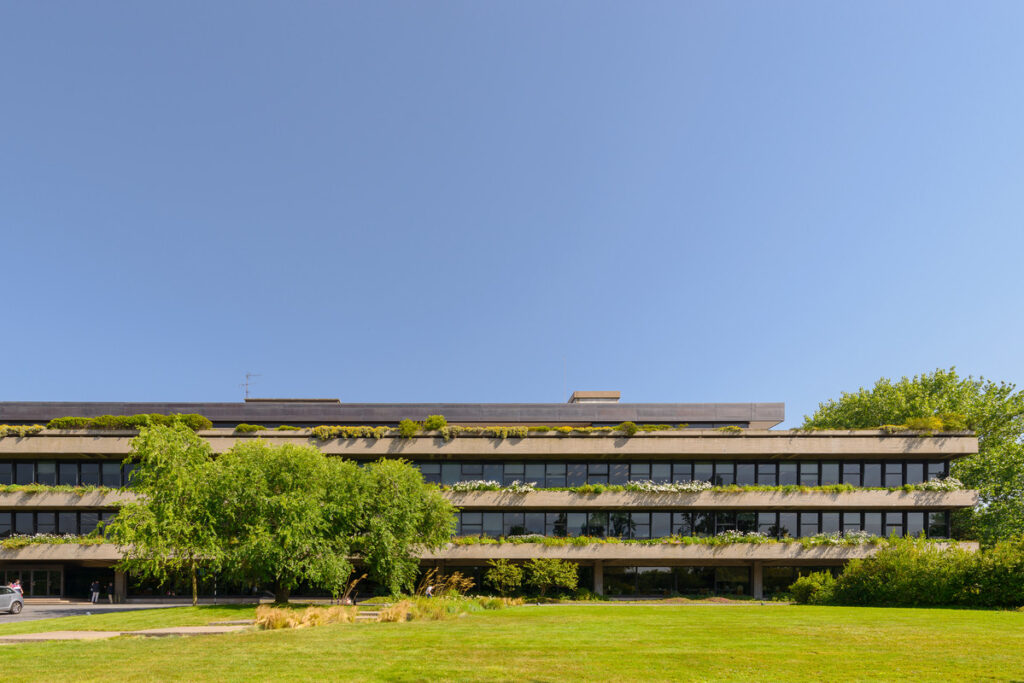
Calouste Gulbenkian Foundation.
Based in Lisbon, with branches in Paris and London, the foundation also provides support in Portuguese-speaking African countries (Palop), in Timor-Leste and in countries with Armenian communities. It includes a museum, which houses the founder’s private holdings and a modern and contemporary art collection, an orchestra and choir, an art library and archive, a scientific research institute and a central garden in the city.
Alongside its cultural activities, innovative programs develop pilot projects and support social organizations with grants and subsidies. From 2023 to 2027, the two priority areas, equity and sustainability, guide the entire intervention strategy.
Learn more at: https://gulbenkian.pt/